
-
 CALL NOW
+971 52 416 0017
CALL NOW
+971 52 416 0017
-
 EMAIL
[email protected]
EMAIL
[email protected]
CALL NOW
+971 52 416 0017
EMAIL
[email protected]
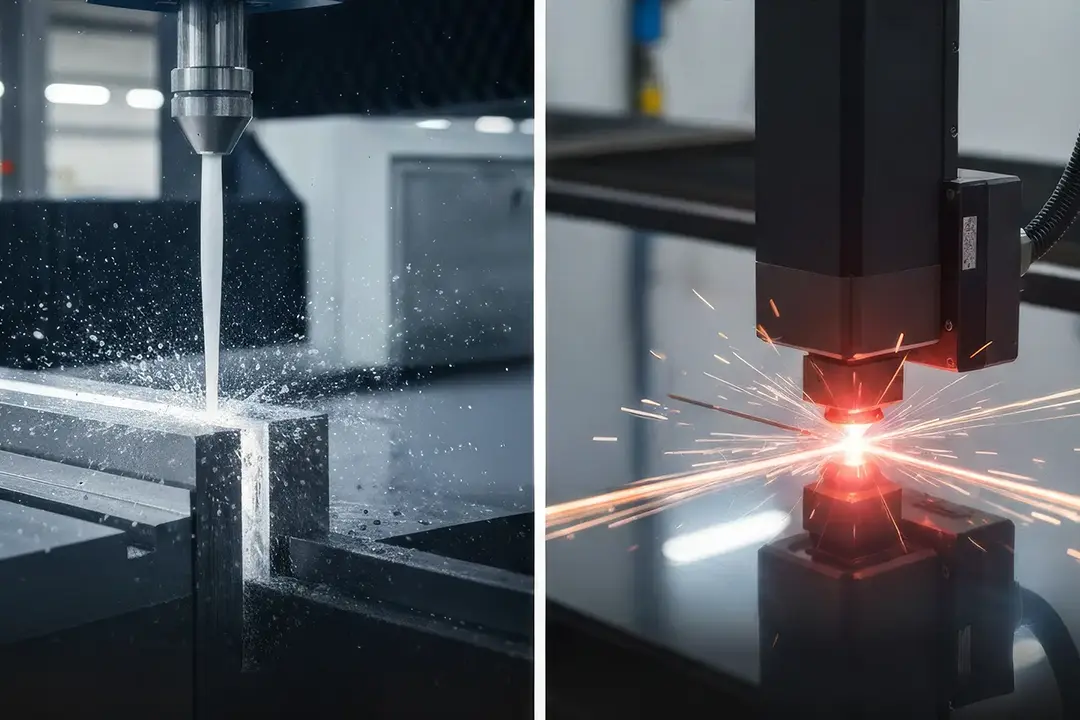
If you’ve ever dealt with metal cutting, you already know there’s no “best” method that works for everything. Anyone who says otherwise usually hasn’t worked on enough real jobs, especially in large-scale Steel Construction. Two names come up again and again — CNC laser cutting and waterjet cutting. Both are precise. Both are widely used. And both behave very differently once the machine actually starts cutting.
The real difference isn’t about which one sounds more advanced. It’s about how the material reacts while being cut — and what condition it’s in afterward.
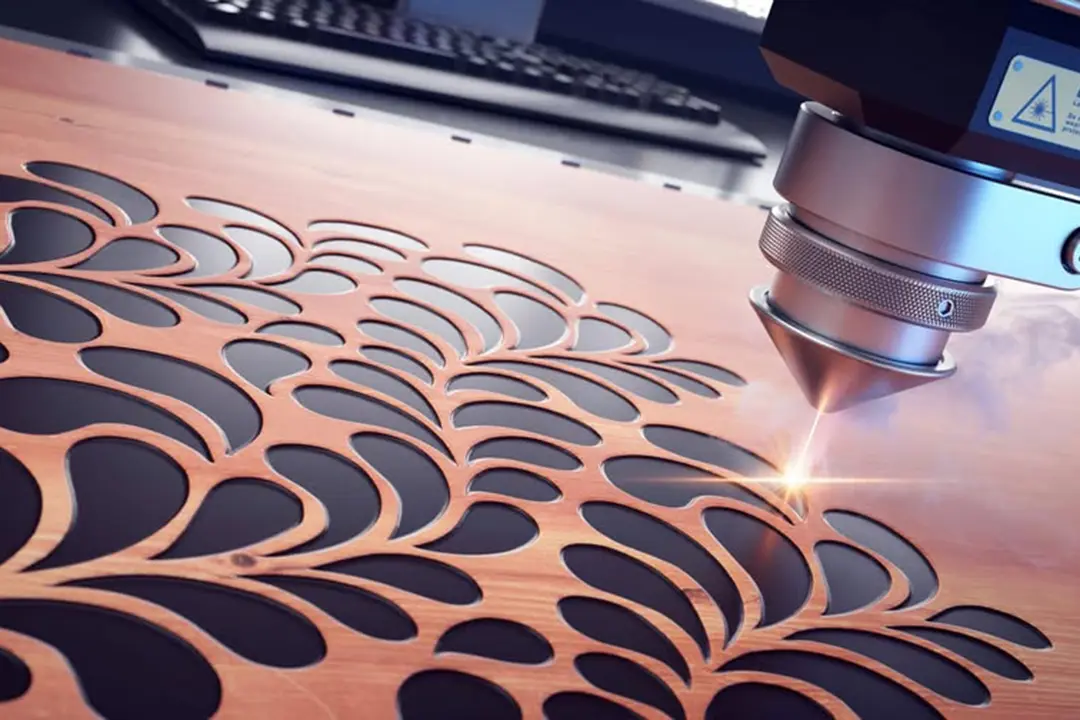
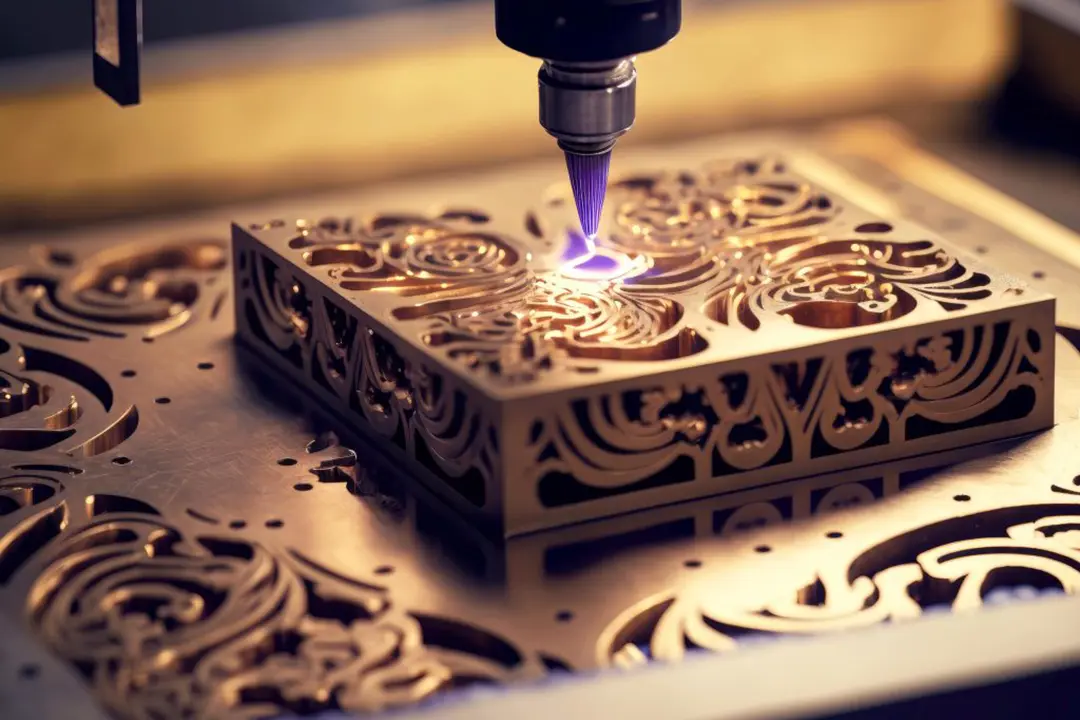
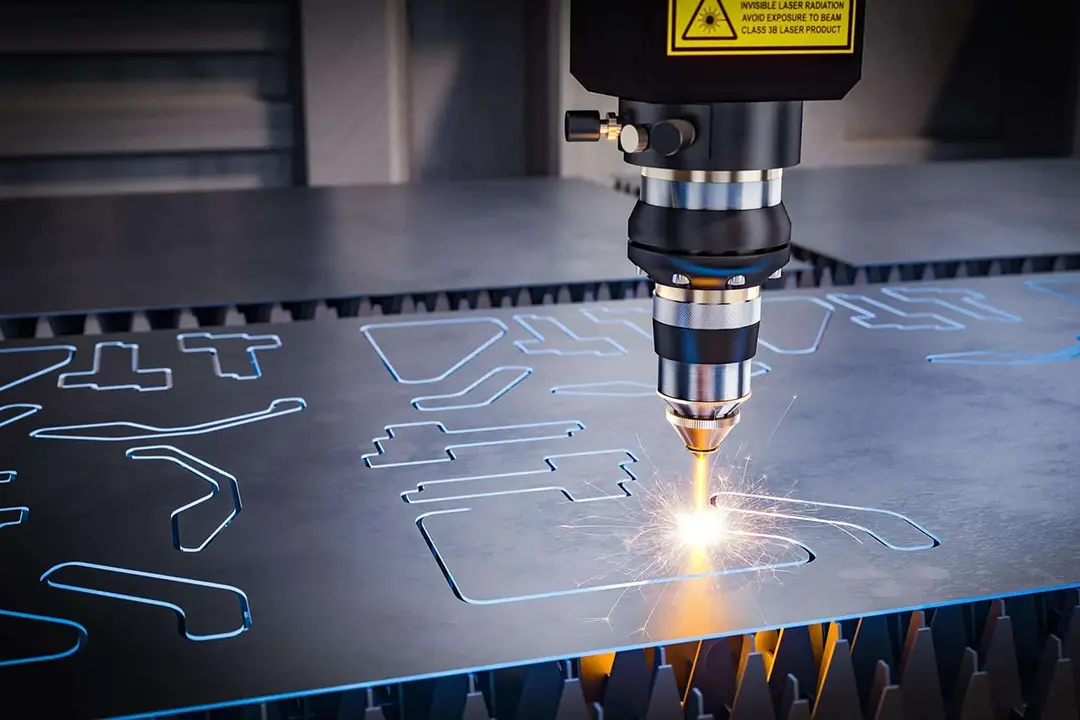
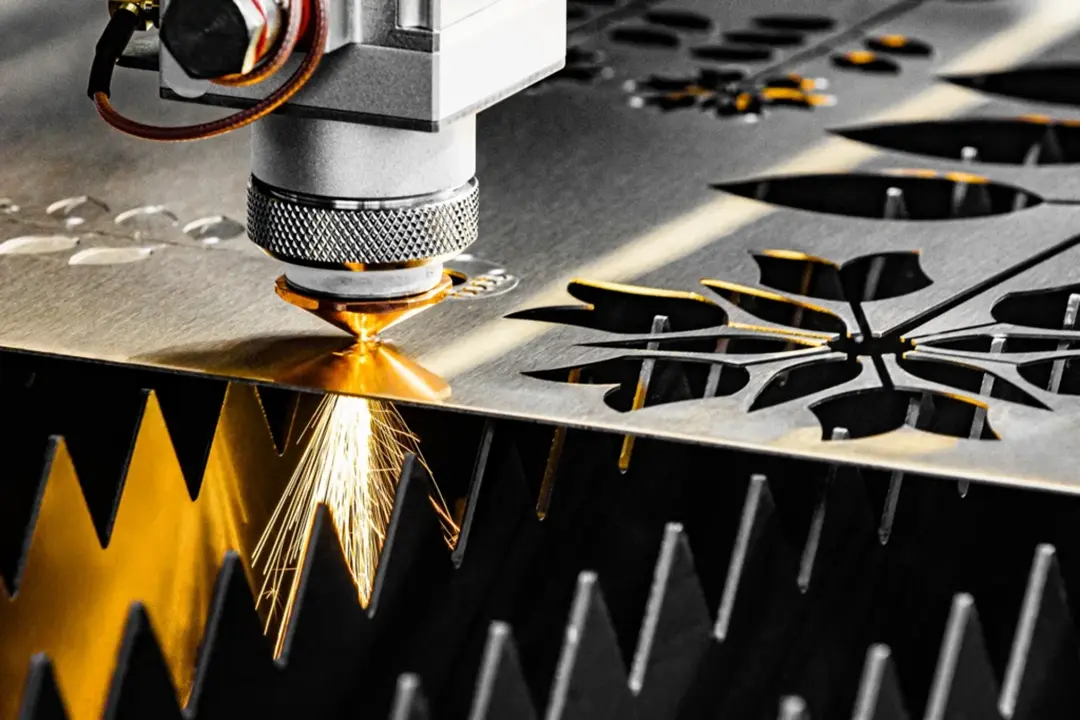
CNC laser cutting works by focusing a powerful laser beam onto the metal surface. The beam is hot enough to melt or vaporize the material while following a programmed path. Everything is controlled by a computer, which means the cuts are consistent and repeatable—making this method common in Steel Fabrication Services.
In day-to-day fabrication work, this method is chosen mainly for speed. Thin metal sheets move through the machine quickly, and the edges come out sharp and clean. Stainless steel and aluminum sheets are common examples where laser cutting performs really well.
For jobs involving repetitive parts, tight deadlines, or large quantities, laser cutting saves time. Panels, brackets, enclosures, and decorative sheet work are often done this way because the process is quick and predictable.
That speed, however, comes from heat. And heat always leaves some kind of footprint.
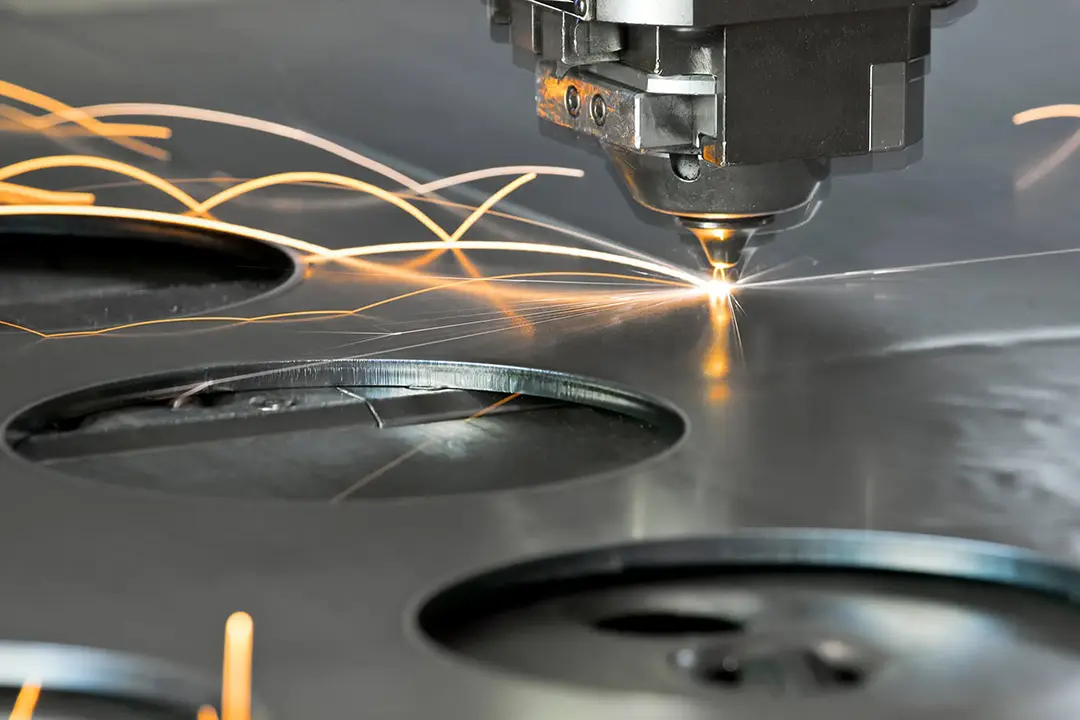
Heat isn’t always a problem — but sometimes it is.
On thin sheets, the heat effect is usually manageable. On thicker material, things change. Edges can harden slightly. Minor distortion can appear. In some cases, the surface finish isn’t exactly what was expected.
Most of the time, these issues don’t show up immediately. They show up later — during assembly, welding, or installation. That’s usually when people start saying, “Maybe we should’ve used a different method,” such as
Waterjet Cutting Services
or controlled forming methods like
Profile & Pipe Rolling Services.
Laser cutting isn’t bad. It just isn’t ideal for everything.
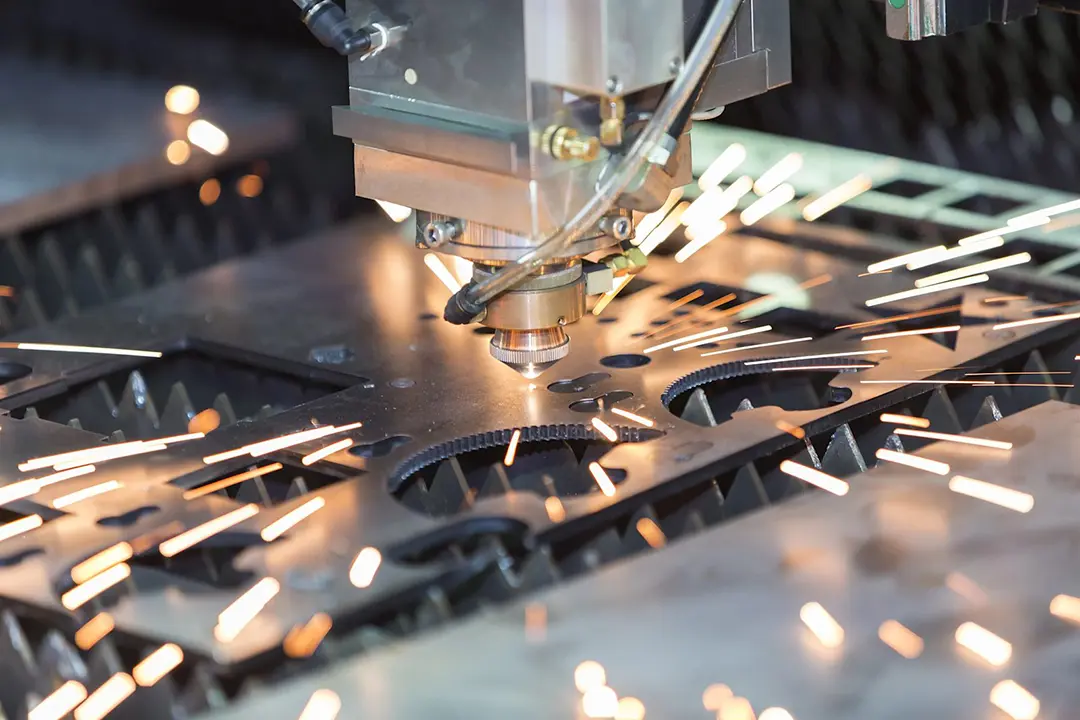
Waterjet cutting takes a completely different route. There’s no heat involved at all. Instead, water is pushed through a tiny nozzle at extremely high pressure. For harder materials, abrasive particles are mixed into the water stream.
That pressure does the cutting.
Because the process stays cold, the material doesn’t change while being cut. No warping. No burning. No hidden stress in the edges. What you see after the cut is what you get, unlike heat-based joining processes such as
Laser Welding Services.
This matters a lot when working with thick metal plates, stone, glass, or mixed materials. It also matters when the final part needs to hold its shape and strength long after cutting is done, especially before forming operations like
Sheet Rolling Services.
Waterjet cutting isn’t rushed. It’s controlled. And that’s usually the point.
There’s no universal answer, and that’s the honest truth.
Laser cutting makes sense when:
Waterjet cutting makes sense when:
Laser cutting wins on speed. No debate there.
Waterjet cutting is slower. But speed isn’t always the main concern. In many projects, stability matters more than how fast the machine finishes the cut.
If a part needs rework, straightening, or extra finishing later, the time saved during cutting disappears very quickly. That’s where waterjet cutting often proves its value - not during the cut, but after it.
This is why experienced fabrication shops don’t argue about which method is “better.” They choose based on the job.
Thickness is one of the biggest deciding factors.
Laser cutting performs best on thin to medium-thickness metal sheets. As thickness increases, cutting speed drops and quality becomes more dependent on machine power and settings.
Waterjet cutting doesn’t care much about thickness. Thick steel plates, layered materials, stone slabs — none of these cause issues when pressure and abrasive levels are set correctly, which is why it’s often paired with downstream forming processes like
profile and pipe rolling.
That flexibility makes waterjet cutting useful for jobs that don’t fit neatly into standard fabrication categories and for projects delivered to a wide range of
clients across industries.
Both methods handle complex designs, but waterjet cutting has an advantage when materials are unusual or layered.
Laser cutting can struggle with reflective metals or mixed assemblies. Waterjet cutting handles these without much fuss. That’s why it’s often used in custom fabrication and architectural work where designs aren’t always straightforward.
Laser-cut edges are sharp and clean, especially on thin materials. That’s one of the reasons it’s so popular.
Waterjet-cut edges are clean too, though the finish depends on cutting speed and pressure. In many cases, the edge quality is good enough that no additional finishing is needed.
The difference is how that finish is achieved. Laser cutting uses heat. Waterjet cutting doesn’t. And for certain applications, that difference matters more than how smooth the edge looks.
People often ask which method is cheaper. The honest answer is: it depends on when you’re counting the cost.
Laser cutting is usually cheaper per cut on thin sheets. Faster cutting means lower machine time.
Waterjet cutting can cost more per hour, but it reduces the risk of material damage. When you factor in wasted material, rework, or rejected parts, waterjet cutting can end up being the more economical option-especially for thick or sensitive materials.
The cheapest option upfront isn’t always the cheapest option overall.
CNC laser cutting and waterjet cutting aren’t competitors. They’re tools for different situations. One focuses on speed and efficiency. The other focuses on control and material safety.
The mistake isn’t choosing the “wrong” method. The mistake is choosing without understanding what the material needs.
When that part is clear, the decision usually makes itself.

