
-
 CALL NOW
+971 52 416 0017
CALL NOW
+971 52 416 0017
-
 EMAIL
[email protected]
EMAIL
[email protected]
CALL NOW
+971 52 416 0017
EMAIL
[email protected]

Profile and pipe rolling is a practical way to bend metal into curves without cutting it into parts. When metal is rolled, it stays in one piece — no joints, no extra welding. This is especially important in structural and Steel Construction work, where strength and continuity matter. By avoiding breaks and joints, weak points are reduced and the metal retains its original integrity.
The metal is passed slowly through rolling machines. It is not forced. Pressure is applied little by little. Because of this, the surface stays clean. The metal does not crack or lose its shape. Rolling is controlled, not rushed.
In Dubai, profile and pipe rolling is used in many day-to-day projects — building structures, factory work, pipelines, and steel frames. Anywhere curved metal is needed, rolling delivers consistent results. It is especially useful when the curve must stay even across a long length. Rolled metal fits better during installation and needs less adjustment on site. For many fabrication jobs, rolling saves time later and produces a cleaner, more accurate result. When smooth curves are required without damaging the metal, rolling is usually the safest option.
Pipe rolling is a method used to bend straight pipes into curved shapes.
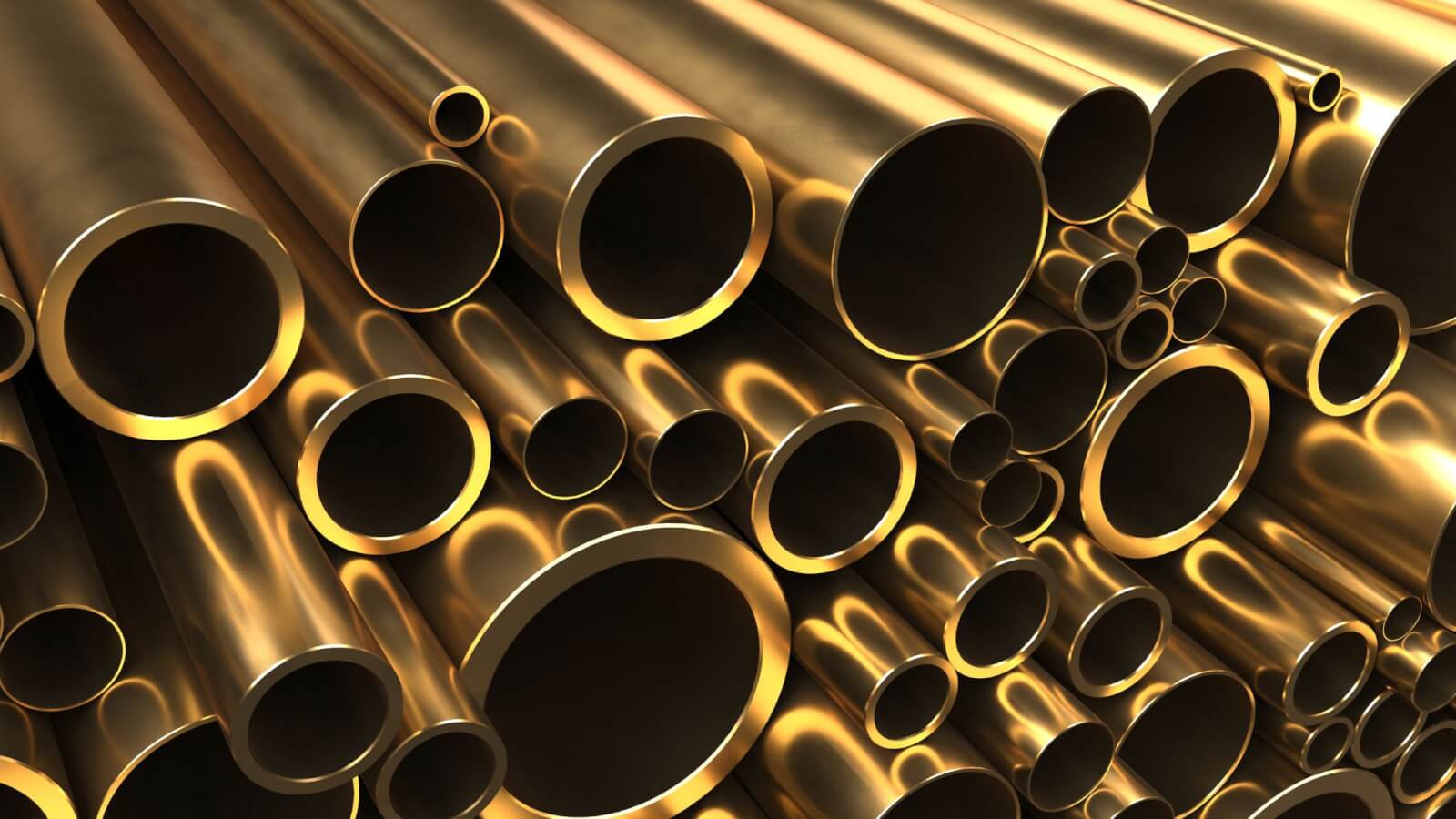
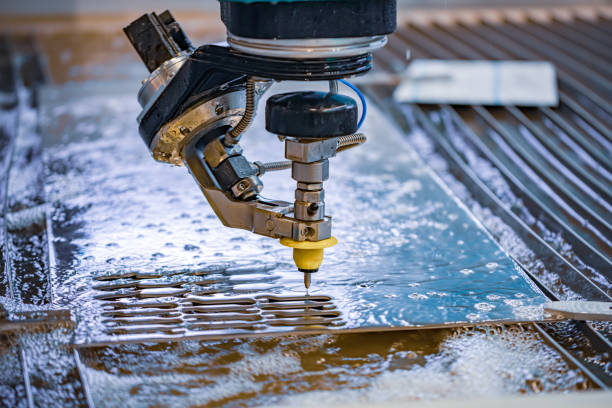
Pipe rolling works in a slow and controlled manner. This is why it is trusted for bending pipes safely. The straight pipe is first placed on the machine. Roller settings are adjusted based on pipe size and thickness. Once set, the pipe is rolled through the machine, unlike heat-based joining processes such as laser welding.
The pipe does not bend fully in one pass. It goes through the rollers again and again. Each pass changes the curve a little. After a few passes, the pipe is checked. If the curve is not enough, it is rolled again. This step-by-step approach is similar to controlled forming methods used in sheet rolling.
Because the pressure is even, the pipe keeps its round shape. There is very low risk of cracking or flattening. Surface damage is avoided, which also reduces the need for additional surface protection later through processes like wet coating. This gradual method gives better control, especially when large curves are needed. That is why pipe rolling is preferred where accuracy matters.
A pipe roller is used to bend pipes into smooth and even curves. It is mainly used for long curves, not sharp bends. The machine uses multiple rollers that apply pressure from different sides, which makes it suitable for architectural and glass and aluminum works where clean curves and visual consistency matter.
This balanced pressure helps avoid dents and flat spots. Pipe rollers are commonly used in fabrication workshops that handle thick or heavy pipes, as well as in projects that involve precise edge preparation before forming, such as V grooving. They are also used in custom metal work where shape accuracy is required. Pipe rollers are often used to create circular frames, curved supports, and pipe sections for industrial use, including load-bearing applications in structural steel fabrication. The process is controlled, so results stay consistent.
Profile roll forming shapes metal by passing it through a series of rollers. Each roller bends the metal slightly. The curve forms gradually. Stress on the metal stays low. This method is useful for long sections and repeated work.
Pipe and profile rolling is used in:
Where curved metal is required, rolling is involved.
These machines can roll different shapes. Round pipes. Square tubes. Rectangular sections. Custom profiles. Because of this, they are widely used in fabrication workshops handling mixed jobs.
Profile rolling is used for metal sections instead of round pipes.
Profile and pipe rolling is a reliable way to shape metal without weakening it. Instead of cutting and welding, rolling bends the metal gradually. Strength is maintained. Surface quality stays intact. This is why rolling is used for both large industrial work and smaller fabrication jobs. Pipe rolling services in Dubai and profile rolling for custom structures deliver clean and accurate results. With proper machines and controlled handling, rolling improves fit, reduces stress, and supports long-term performance.

